New publication on the RHODaS Multi-Stakeholder Platform: Electrification of powertrain and chassis components as opportunity for efficient and user-centric road transportation

The RHODaS Multi-Stakeholder Platform announces the publication of a new paper that brings together the results of three major 2Zero R&D projects: HighScape, EM-TECH, and SmartCorners, all part of the E-VOLVE Cluster. The study explores how electrification of powertrain and chassis components can unlock new levels of efficiency, flexibility, and user-centric design in road transportation.
Over the past 15 years, the automotive industry has been undergoing a profound transformation. Driven by ambitious sustainability goals and European initiatives such as the Paris Agreement, the European Green Deal, and Fit for 55, the sector has accelerated its transition toward electrification. These changes have not only reshaped vehicle architectures but also redefined the entire value chain, from suppliers to service providers.
In parallel, the rise of Cooperative, Connected, and Automated Mobility (CCAM) and the Software-Defined Vehicle (SDV) paradigm has introduced new layers of intelligence and adaptability into the vehicle ecosystem. Software is becoming a key enabler for innovation, but it fundamentally relies on advanced mechatronic platforms and smart components that form the foundation of the next generation of vehicles.
The new publication delves into the complementary contributions of the HighScape, EM-TECH, and SmartCorners projects. Together, these initiatives explore three interconnected innovation pillars:
- Electrified powertrain and chassis components, advancing the efficiency and controllability of vehicle dynamics.
- Vehicle platform and highly integrated corner solutions, supporting modularity and user-centric design.
- Novel control algorithms leveraging smart components, enabling optimised performance through intelligent coordination of multiple actuators.
Through a combination of power electronics innovation, next-generation electric motors, and adaptive skateboard platforms, the projects collectively demonstrate how electrified and over-actuated systems can pave the way for safer, more sustainable, and more flexible mobility solutions.
The paper not only highlights the technological outcomes but also places them within a broader context of societal and market impact, emphasising how electrification and digitalisation intersect to redefine mobility value creation across the entire vehicle lifecycle.
Read and download the full publication here.
Other Projects
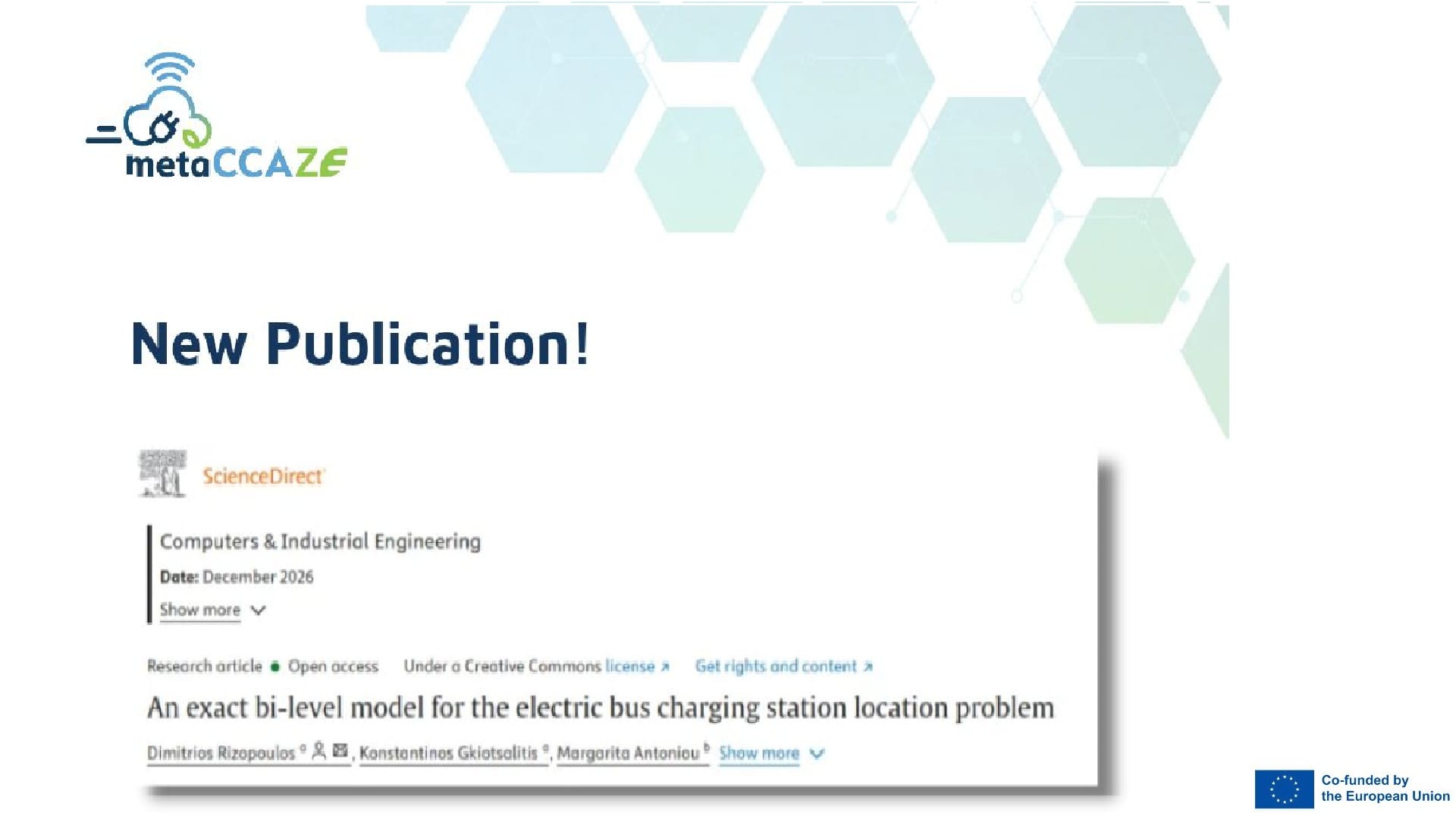
metaCCAZE new publication explores how coordinated charging planning can cut electric bus operating costs
As cities accelerate the transition to zero-emission public transport, one critical question remains: where should electric bus charging stations be located, and how can they be integrated efficiently...
Read more
How ZEvRA is advancing circular composite materials for the automotive sector
The ZEvRA project is helping to accelerate the transition towards circular vehicle manufacturing by demonstrating how high-recycled-content composite materials can meet the demanding technical require...
Read more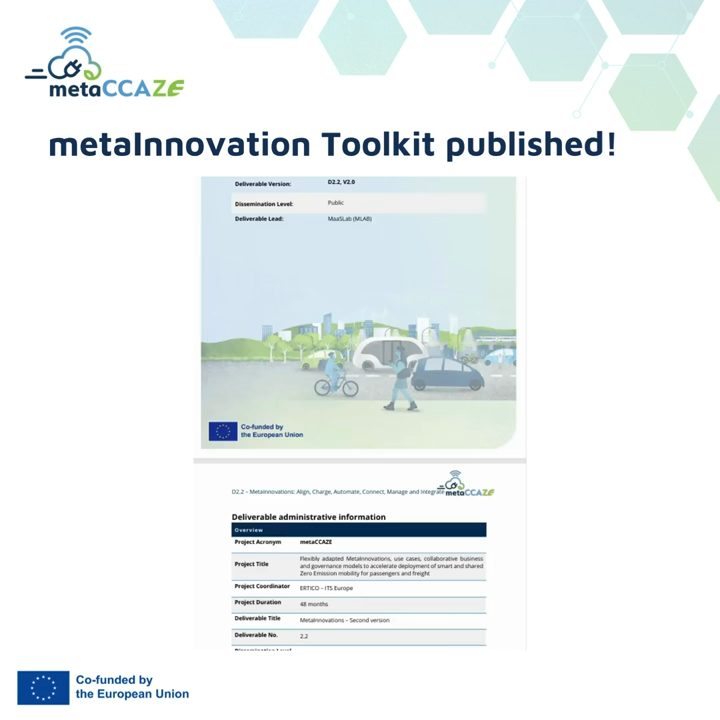
metaCCAZE reports the advances of its innovative mobility solutions
The project metaCCAZE has published a new Deliverable presenting the latest progress of its metaInnovations portfolio. The publication ' D2.2 – MetaInnovations: Align, Charge, Automate, Connect, Man...
Read more