New ZEFES White Paper ‘From Fragmentation to Competitiveness: A Europe-Wide Call for Collaboration to’

The ZEFES project has published a white paper examining the conditions required to scale zero-emission road freight beyond individual pilots towards a coherent, cross-border European system. The analysis is based on stakeholder survey responses, expert contributions, and structured exchanges within the ZEFES consortium and associated industry forums. It focuses on the interplay between technological readiness and governance fragmentation in shaping deployment trajectories.
The evidence indicates that zero-emission freight vehicles already deliver measurable operational benefits under real-world conditions, including reductions in energy and fuel costs and improvements in driver experience. These outcomes, however, remain context-dependent and are not yet systematically replicable across jurisdictions. The principal constraint identified is not technological maturity, but regulatory and operational fragmentation across Member States.
Across the stakeholder sample, inconsistencies in vehicle certification and approval procedures, charging infrastructure regulations, and road access frameworks are identified as primary barriers to cross-border deployment. These divergences generate uncertainty for operators and inhibit investment decisions at fleet level. While infrastructure availability and grid constraints are also noted, they are frequently embedded within broader regulatory and permitting structures rather than acting as isolated bottlenecks.
The analysis further indicates a strong convergence among stakeholders regarding governance preferences. There is broad support for EU-level coordination of key regulatory domains, combined with structured public–private cooperation mechanisms to address implementation challenges. This reflects an implicit recognition that scaling zero-emission freight requires coordinated action across institutional levels and industrial actors rather than sequential or fragmented interventions.
On this basis, the white paper identifies three interrelated requirements for scaling. First, targeted harmonisation of the most critical cross-border regulatory domains affecting vehicle deployment and infrastructure access. Second, the development of corridor-based implementation structures capable of translating regulatory frameworks into operational practice under real logistics conditions. Third, the establishment of iterative feedback mechanisms linking operational experience to policy refinement and standardisation processes.
The findings are situated within a broader interpretation of European industrial competitiveness. Fragmentation is treated not only as an administrative inefficiency but as a structural constraint on the diffusion of clean transport systems and the consolidation of European leadership in zero-emission logistics technologies. In this context, alignment between regulatory, infrastructural, and operational systems is considered a necessary condition for scaling.
The ZEFES white paper concludes that the technological basis for zero-emission freight is already emerging, while the principal limiting factor lies in system-level coordination. Reducing fragmentation and strengthening collaborative governance arrangements are therefore identified as central requirements for enabling large-scale deployment of zero-emission freight corridors in Europe.
Access the full paper here
Other Projects
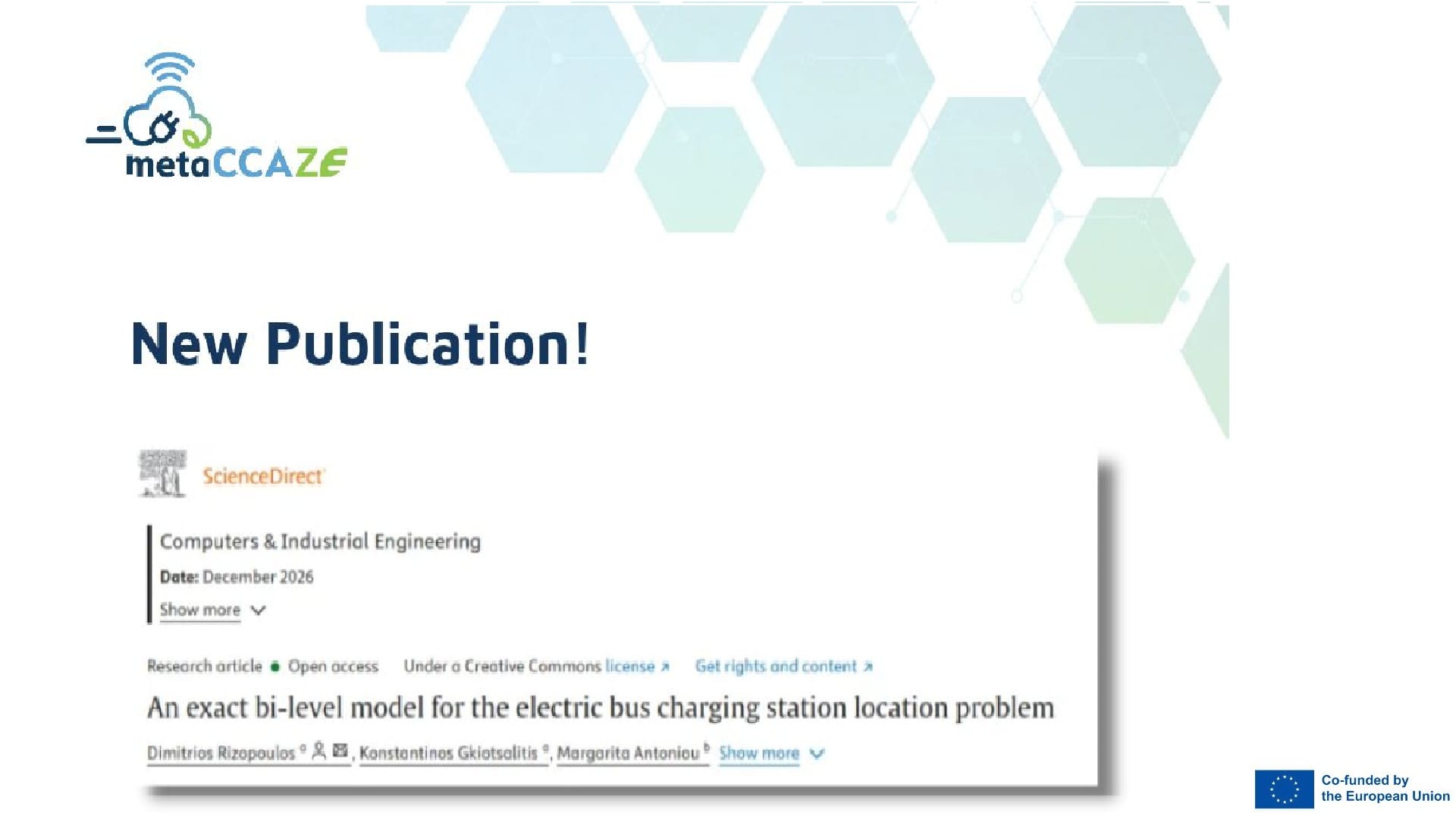
metaCCAZE new publication explores how coordinated charging planning can cut electric bus operating costs
As cities accelerate the transition to zero-emission public transport, one critical question remains: where should electric bus charging stations be located, and how can they be integrated efficiently...
Read more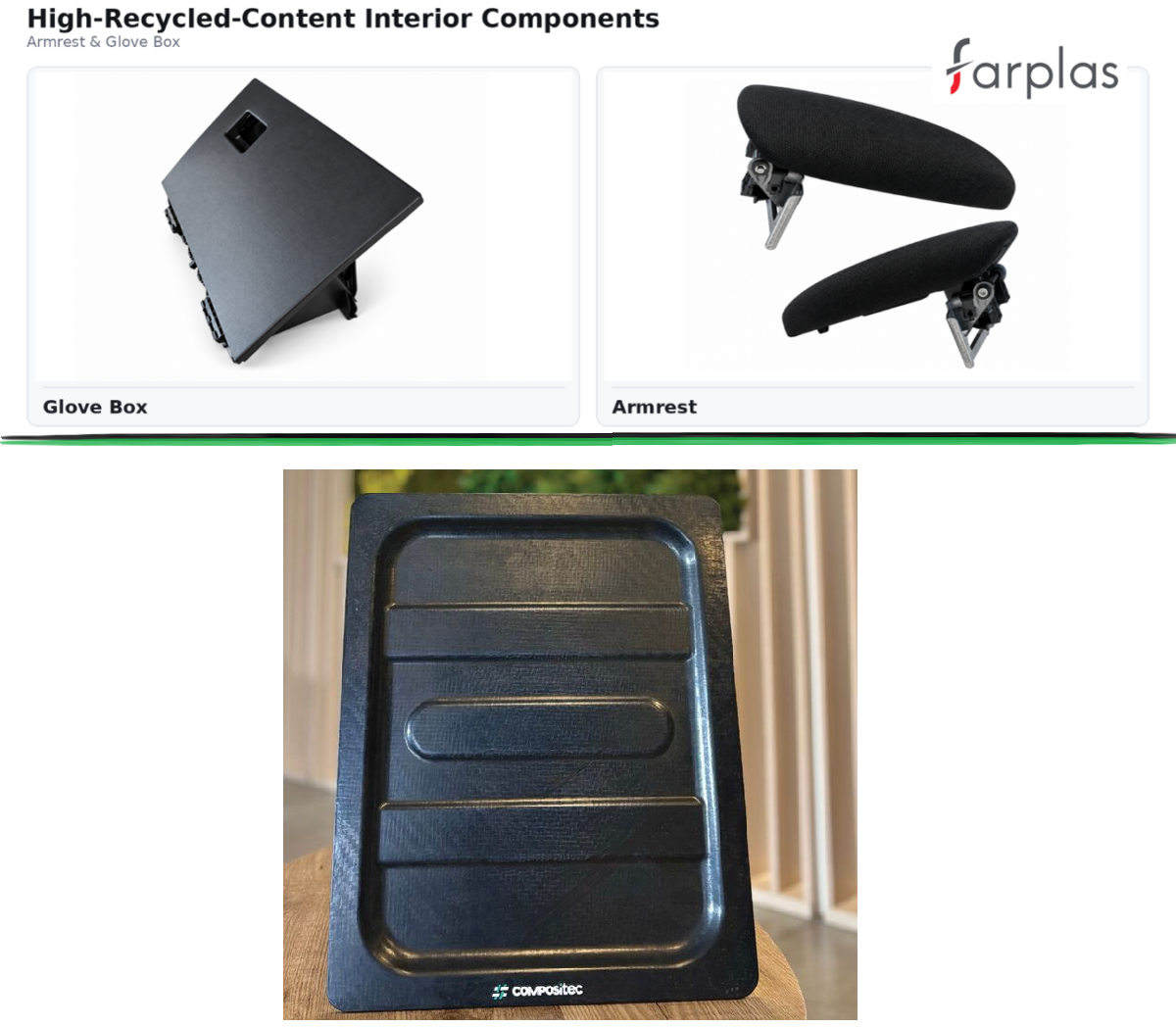
How ZEvRA is advancing circular composite materials for the automotive sector
The ZEvRA project is helping to accelerate the transition towards circular vehicle manufacturing by demonstrating how high-recycled-content composite materials can meet the demanding technical require...
Read more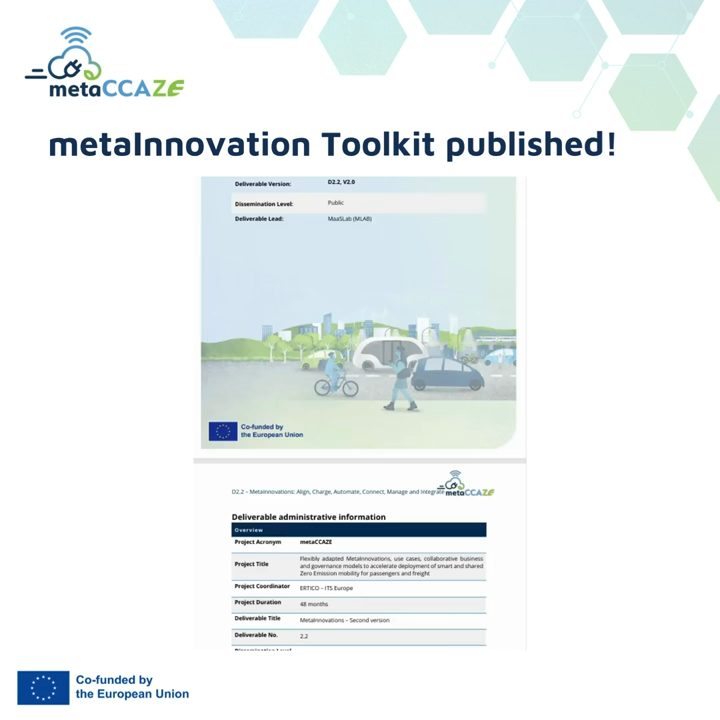
metaCCAZE reports the advances of its innovative mobility solutions
The project metaCCAZE has published a new Deliverable presenting the latest progress of its metaInnovations portfolio. The publication ' D2.2 – MetaInnovations: Align, Charge, Automate, Connect, Man...
Read more