Project Outcomes
MetaCCAZE study highlights district-level climate benefits of electric vehicles

A new scientific paper developed within the framework of the MetaCCAZE project examines how the uptake of electric vehicles can influence modal share, travel behaviour and emissions at district level. The study has been published in Transportation Research Interdisciplinary Perspectives under the title “An activity-based model for district-level modal share analysis with electric vehicles”.
The paper introduces an activity-based modelling framework designed to support urban decision-makers in evaluating the transition from conventional private cars to electric vehicles. Using empirical travel data from Budapest, the model reconstructs daily activity patterns, including home, work, shopping and leisure, and then re-optimises these activity chains under different levels of electric vehicle penetration. Unlike traditional trip-based approaches, the framework integrates scheduling decisions, personal vehicle routing and public transport timetables within a single analytical structure. Electric vehicle charging behaviour is explicitly incorporated, allowing the model to capture detours and time constraints related to the spatial distribution of charging infrastructure.
Simulation results indicate that increasing the share of electric vehicles leads to consistent reductions in CO₂ emissions across all districts. In scenarios where electric vehicles account for 20 percent of the car fleet, average CO₂-equivalent emissions decrease by approximately 18.5 percent city-wide, with reductions of up to 23 percent in certain districts. At the same time, average travel distances increase, particularly in areas characterised by lower road network connectivity or limited charging availability. The findings show that districts with better-connected networks tend to experience smaller increases in travel distance and greater emission reductions.
The study highlights the importance of considering spatial heterogeneity when designing policies for urban electrification. While electric vehicle adoption contributes substantially to climate objectives, infrastructure characteristics and network structure significantly influence local outcomes. Establishing a link between individual activity patterns with district-level attributes, the MetaCCAZE research provides a reproducible analytical framework that can strengthen Sustainable Urban Mobility Plans and support more informed and equitable decarbonisation strategies.
Other Projects
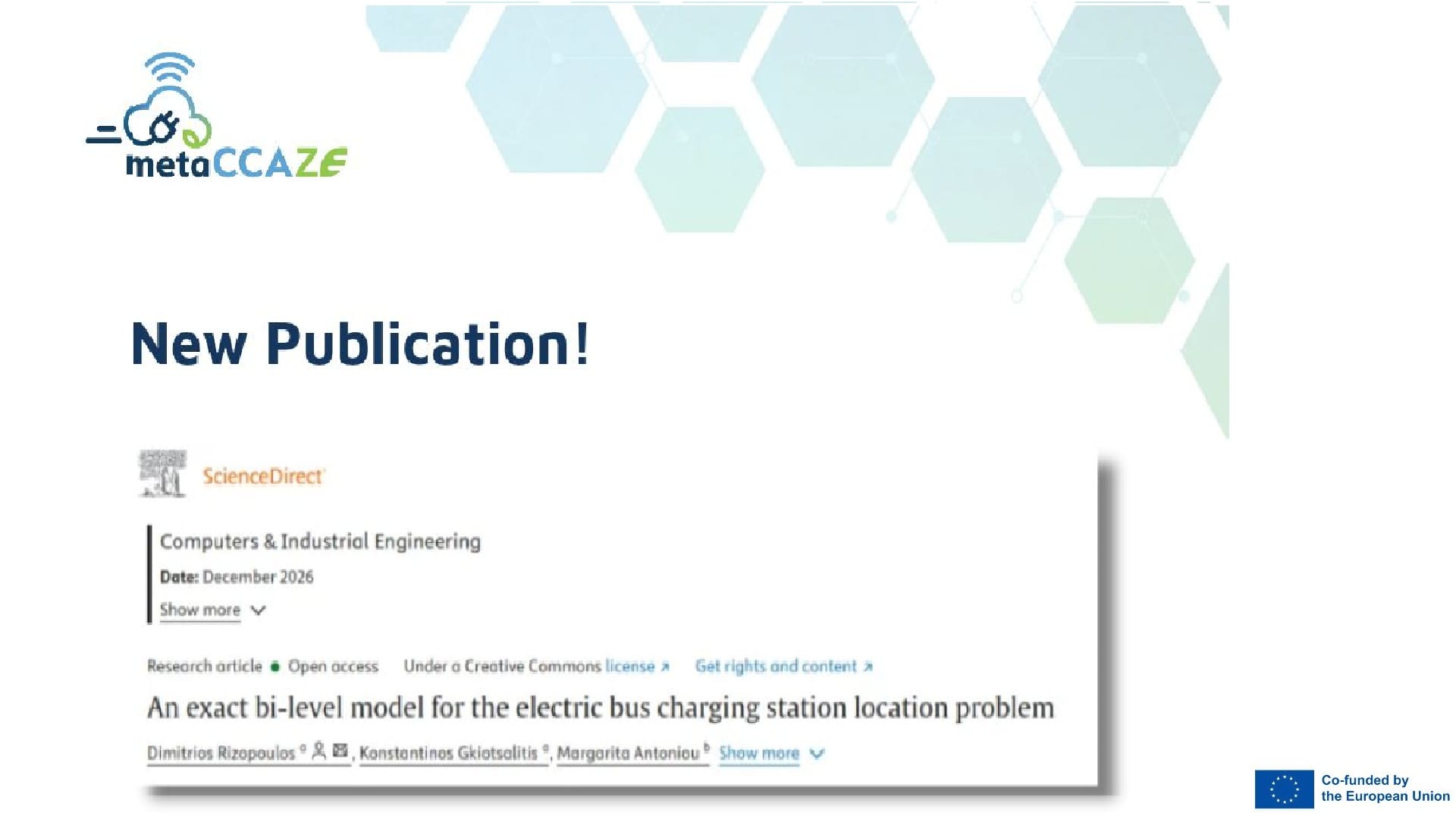
metaCCAZE new publication explores how coordinated charging planning can cut electric bus operating costs
As cities accelerate the transition to zero-emission public transport, one critical question remains: where should electric bus charging stations be located, and how can they be integrated efficiently...
Read more
How ZEvRA is advancing circular composite materials for the automotive sector
The ZEvRA project is helping to accelerate the transition towards circular vehicle manufacturing by demonstrating how high-recycled-content composite materials can meet the demanding technical require...
Read more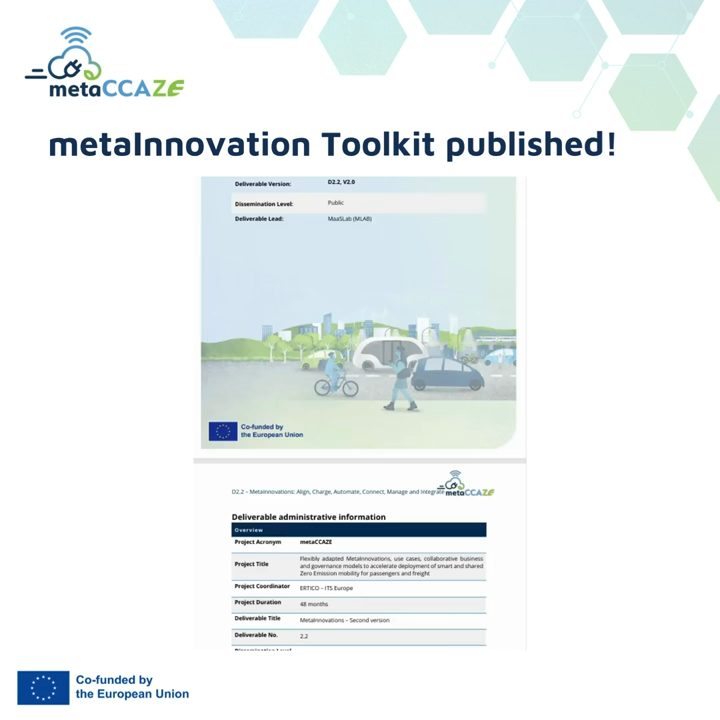
metaCCAZE reports the advances of its innovative mobility solutions
The project metaCCAZE has published a new Deliverable presenting the latest progress of its metaInnovations portfolio. The publication ' D2.2 – MetaInnovations: Align, Charge, Automate, Connect, Man...
Read more