
Project Outcomes
EV4EU new publication on optimal EV charging infrastructure planning

EV4EU is proud to announce a new research publication by our consortium partners ΔΕΔΔΗΕ Α.Ε. – HEDNO S.A. and DTU – Technical University of Denmark, appearing in the Sustainable Cities and Society journal. The paper is titled:”Bayesian Optimization of Electric Vehicle Charging Infrastructure Location Planning: An Agent-Based Simulation Approach” and addresses a central challenge for the widespread adoption of electric vehicles: the efficient deployment of charging infrastructure in urban areas. The authors propose a Bayesian Optimisation framework integrated with Multi-Agent Transport Simulation (MATSim) to identify optimal EV charger locations, balancing accessibility and installation costs while accounting for realistic travel and charging behaviours.
MATSim is extended with a probabilistic charging demand model, incorporating plug-in probabilities, initial State of Charge distributions, and charging durations constrained by parking regulations. This high-resolution simulation allows for detailed analysis of individual travel choices, network effects, and interactions between mobility patterns and charging infrastructure.
A case study conducted in Frederiksberg, Denmark, with over 60,000 EV users and nearly 75,000 daily trips, demonstrates the effectiveness of the approach. Results show that public charging infrastructure plays a crucial role in dense urban areas, accounting for 65% of all charging sessions and 68% of delivered energy even at a 10% EV penetration rate.
The study also demonstrates the advantages of Bayesian Optimisation over traditional black-box approaches, achieving 22.4% higher welfare while requiring only one-third of the simulation runs, thereby reducing computational effort. This research provides valuable insights for urban planners and policymakers, offering a robust framework for data-driven decisions on EV charging infrastructure deployment.
Read the full paper here
Other Projects
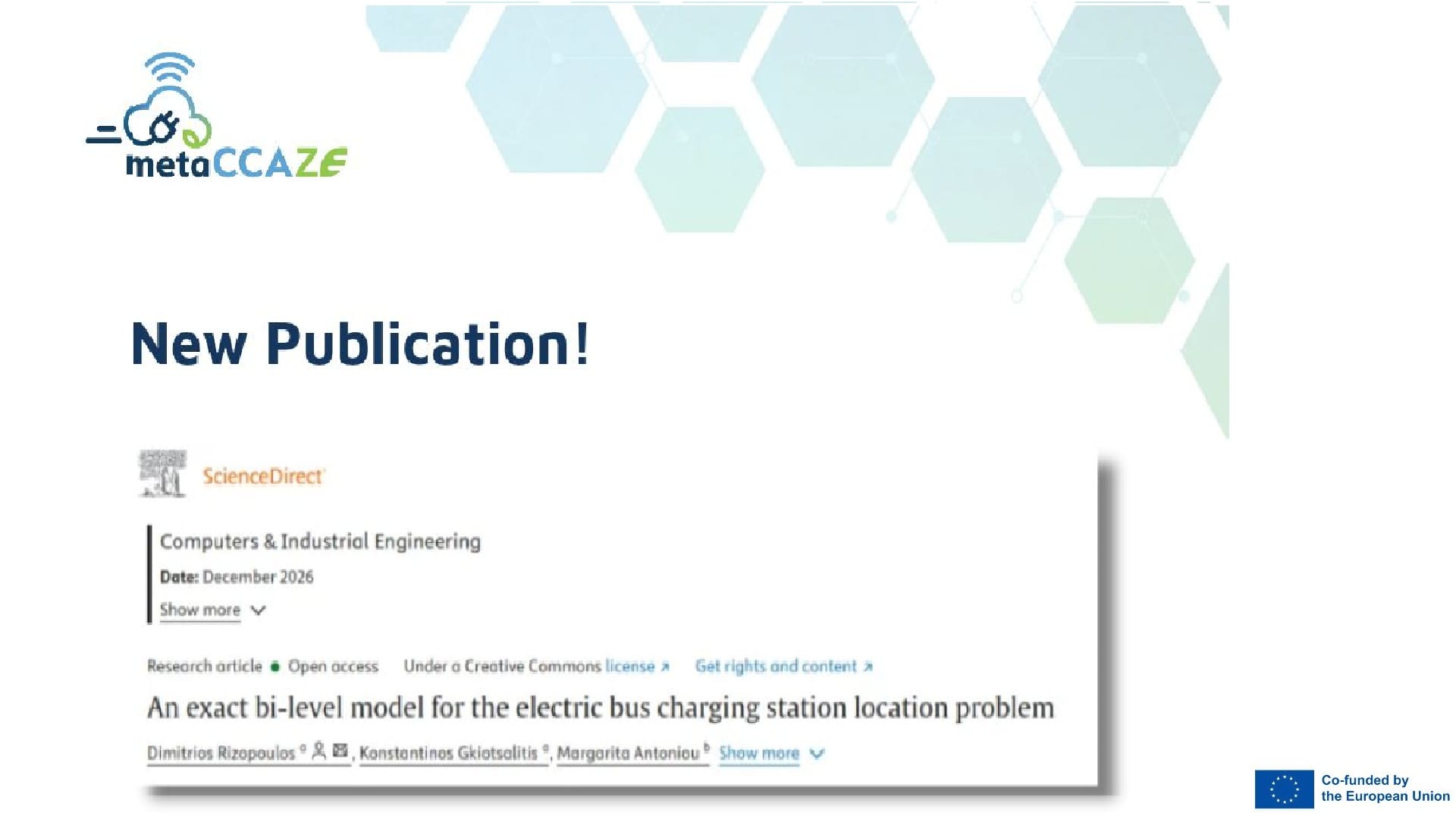
metaCCAZE new publication explores how coordinated charging planning can cut electric bus operating costs
As cities accelerate the transition to zero-emission public transport, one critical question remains: where should electric bus charging stations be located, and how can they be integrated efficiently...
Read more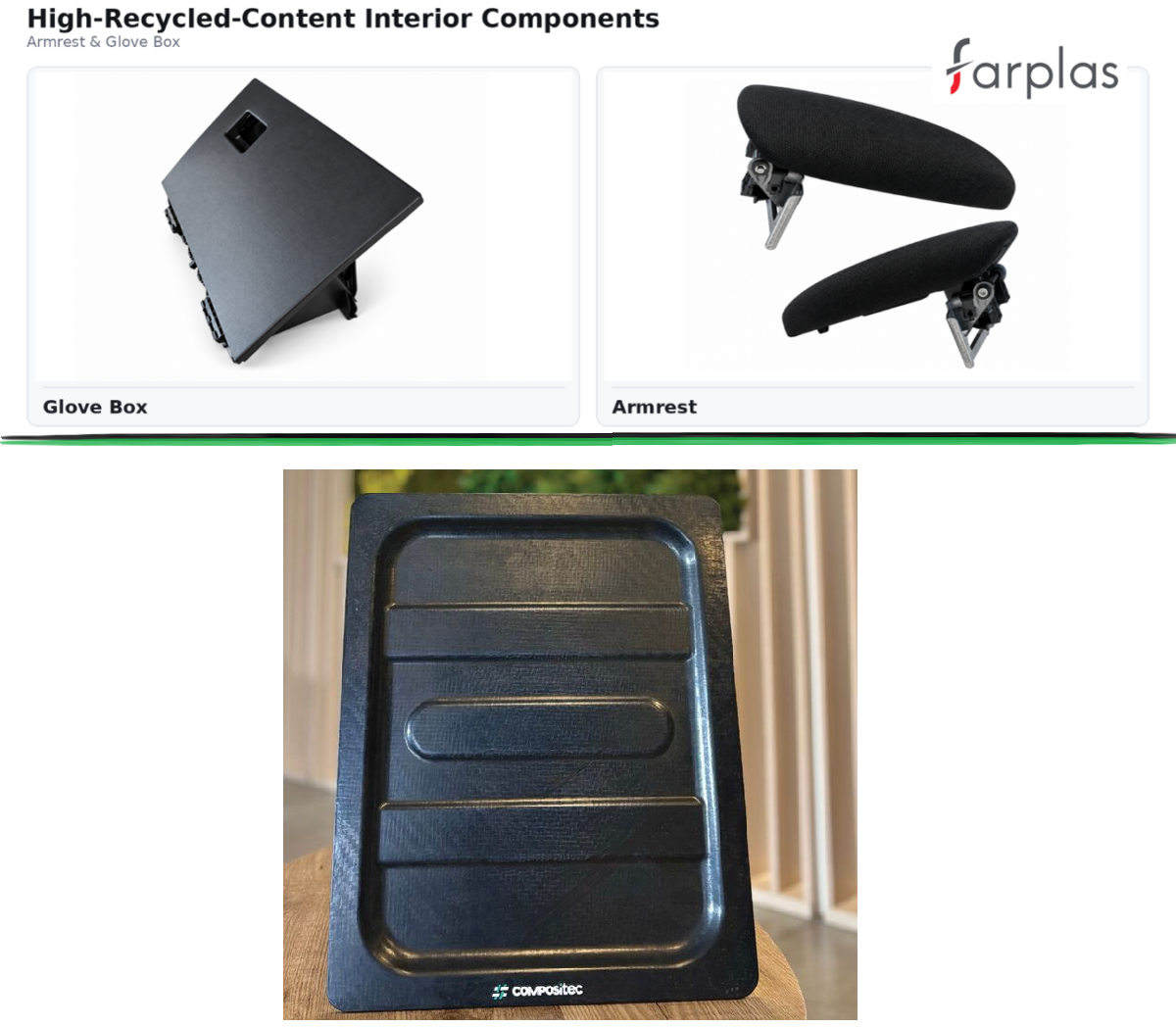
How ZEvRA is advancing circular composite materials for the automotive sector
The ZEvRA project is helping to accelerate the transition towards circular vehicle manufacturing by demonstrating how high-recycled-content composite materials can meet the demanding technical require...
Read more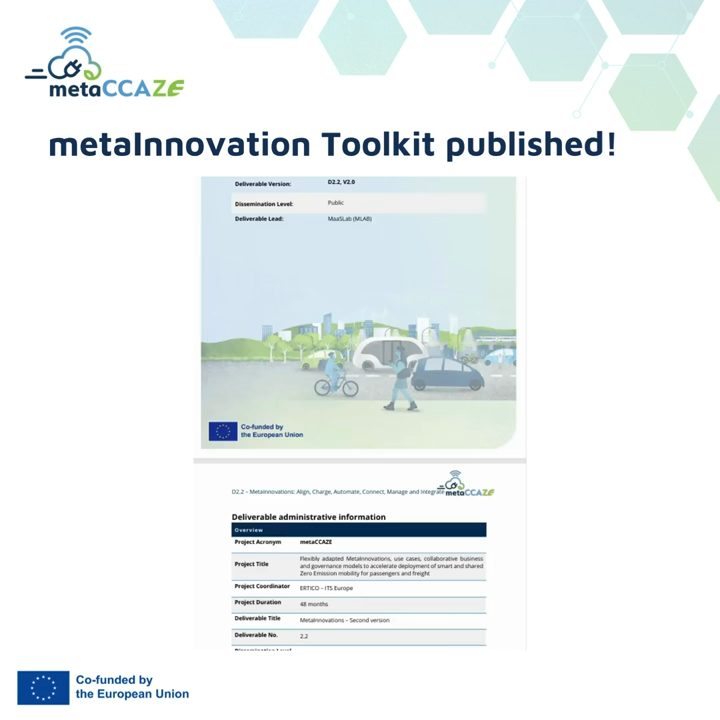
metaCCAZE reports the advances of its innovative mobility solutions
The project metaCCAZE has published a new Deliverable presenting the latest progress of its metaInnovations portfolio. The publication ' D2.2 – MetaInnovations: Align, Charge, Automate, Connect, Man...
Read more