metaCCAZE partner NTUA publishes new paper on the optimisation model for resilient electric bus charging infrastructure
metaCCAZE partner, the National Technical University of Athens (NTUA), has published a new paper in Transportation Research Part C: Emerging Technologies, presenting an optimisation model that supports the design of more resilient electric bus charging infrastructure under uncertainty.
The shift to zero-emission electric buses comes with new operational challenges, including travel time delays between stations and variable energy consumption. To address this, the NTUA team developed the Electric Bus Charging Station Location Problem (EB-CSLP) model. Initially formulated as a mixed-integer nonlinear program, it has been reformulated into a stochastic mixed-integer linear program (MILP) to optimise station placement and charger type selection.
Tested in a real-world case study in Athens, Greece, the model minimises deadheading times (non-revenue bus movements) and queue waiting times at charging points. This results in a more efficient use of charging infrastructure, improved reliability, and smoother integration of electric buses into the urban network.
Importantly, the study highlights how stochastic optimisation can support robust decision-making under conditions of uncertainty, helping cities plan charging networks that are both cost-effective and operationally reliable as they transition to zero-emission fleets.
Read the full paper here: link
Other Projects
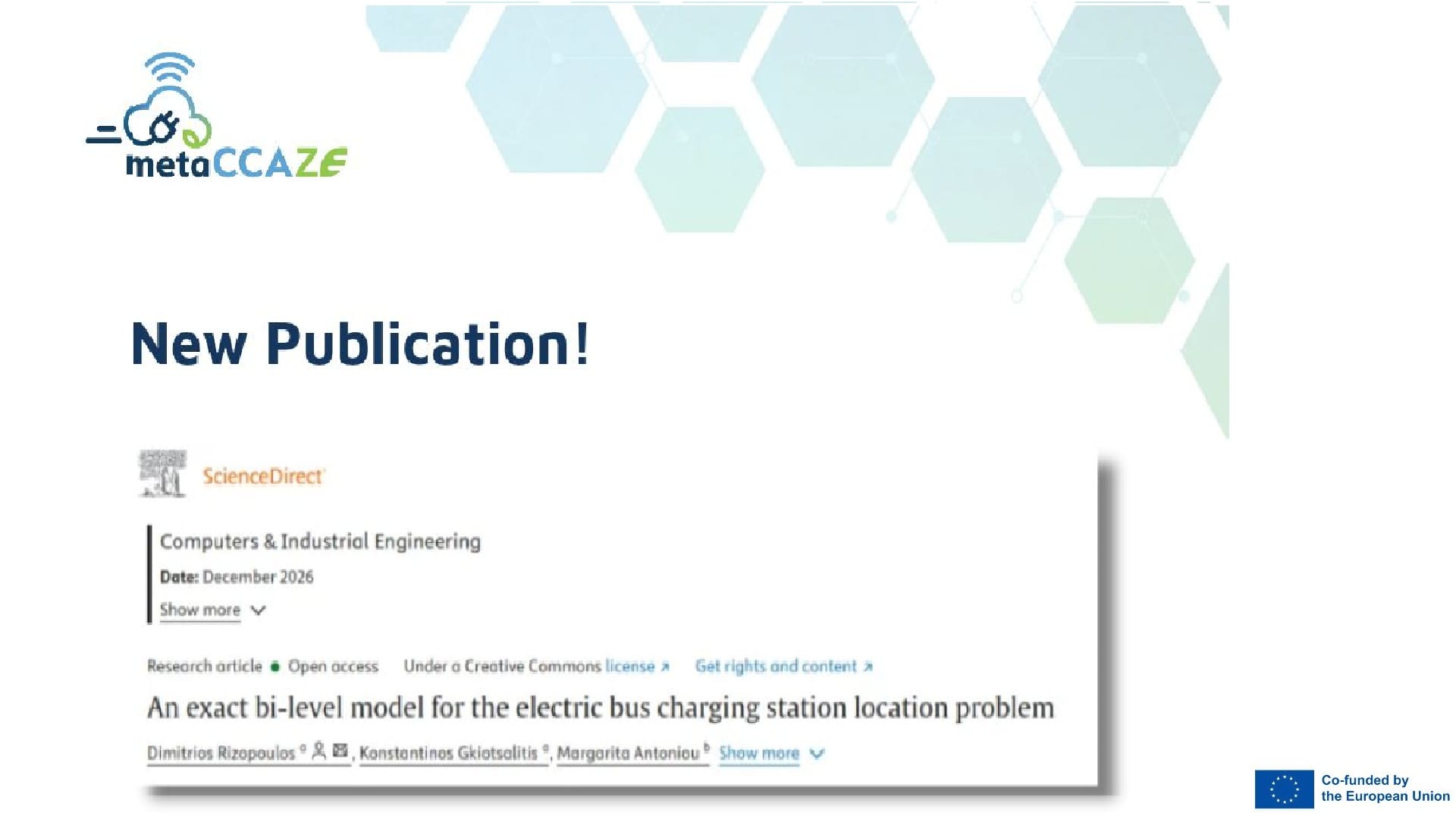
metaCCAZE new publication explores how coordinated charging planning can cut electric bus operating costs
As cities accelerate the transition to zero-emission public transport, one critical question remains: where should electric bus charging stations be located, and how can they be integrated efficiently...
Read more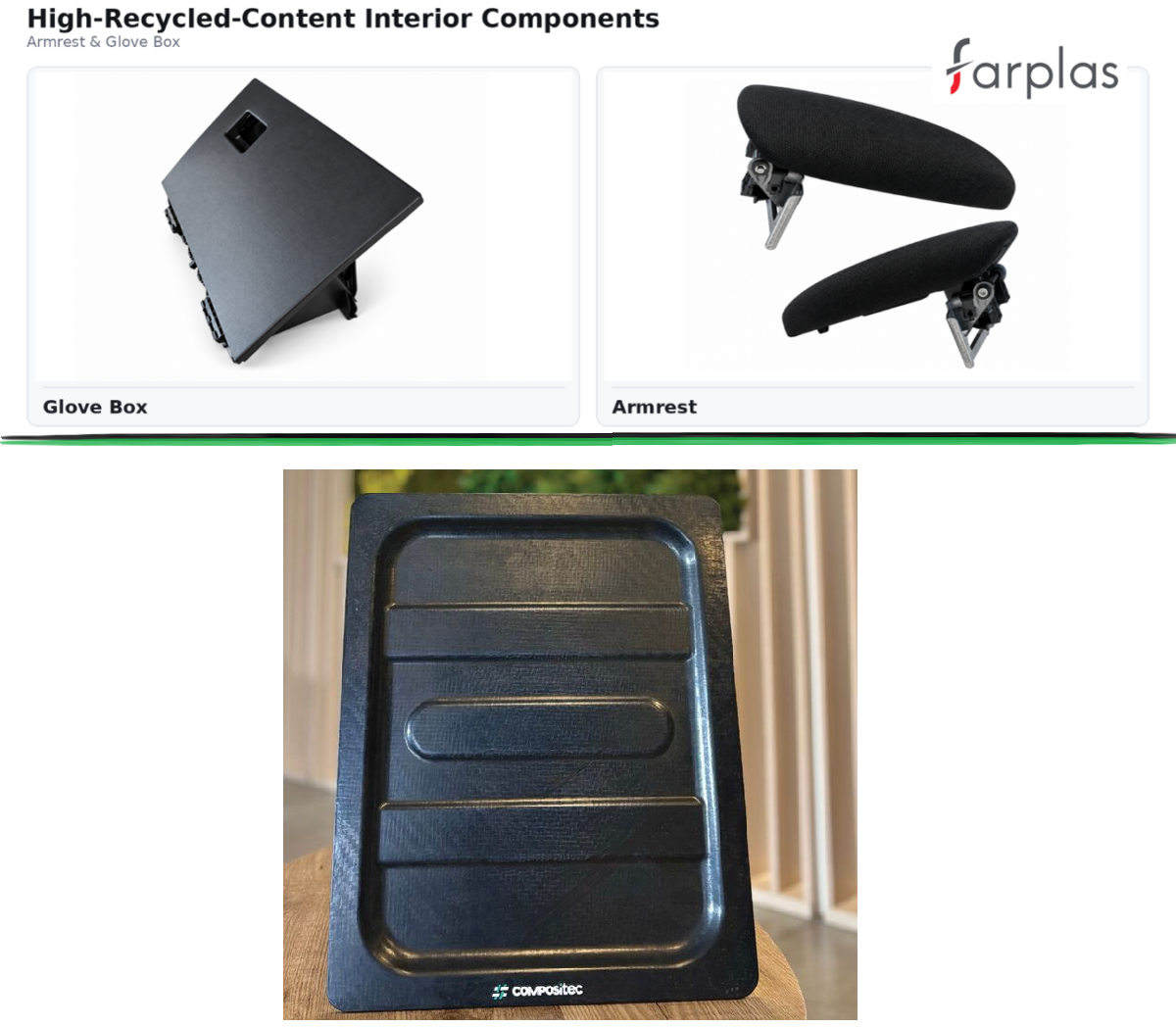
How ZEvRA is advancing circular composite materials for the automotive sector
The ZEvRA project is helping to accelerate the transition towards circular vehicle manufacturing by demonstrating how high-recycled-content composite materials can meet the demanding technical require...
Read more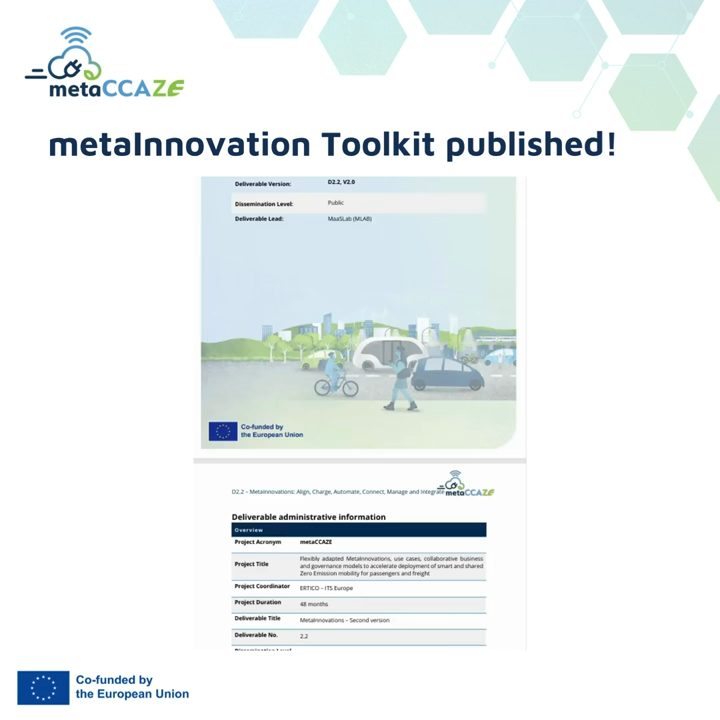
metaCCAZE reports the advances of its innovative mobility solutions
The project metaCCAZE has published a new Deliverable presenting the latest progress of its metaInnovations portfolio. The publication ' D2.2 – MetaInnovations: Align, Charge, Automate, Connect, Man...
Read more