metaCCAZE new publication explores how coordinated charging planning can cut electric bus operating costs
As cities accelerate the transition to zero-emission public transport, one critical question remains: where should electric bus charging stations be located, and how can they be integrated efficiently into the energy system?
A new study developed within the metaCCAZE project provides an innovative answer by demonstrating how public transport operators and energy authorities can jointly plan charging infrastructure to reduce costs, improve operational efficiency, and increase the use of renewable energy.
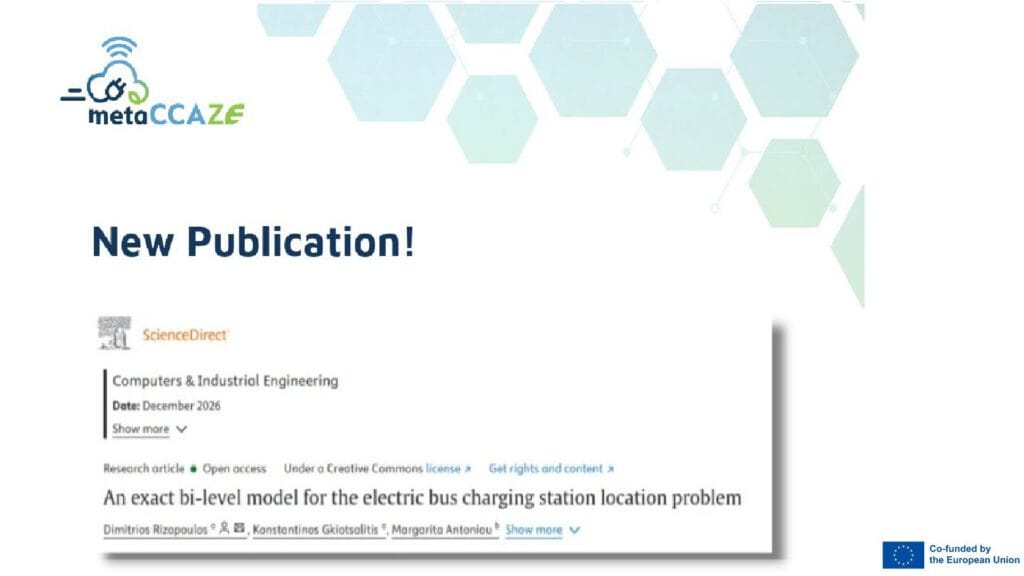
The research, titled “An exact bi-level model for the electric bus charging station location problem”, introduces a novel decision-support framework that captures the interests of both stakeholders. While bus operators seek reliable services, affordable charging solutions, and minimal detours for vehicles, energy authorities must manage electricity demand, pricing structures, and renewable energy integration. Traditionally, these decisions are made separately, often leading to suboptimal outcomes.
The proposed model addresses this challenge through a bi-level optimisation approach. The upper level represents the objectives and operational constraints of an electric bus fleet operator, while the lower level captures the priorities and limitations of an energy management authority. By explicitly modelling the interaction between these stakeholders, the framework identifies charging infrastructure solutions that are beneficial for both parties.
The methodology was tested using real-world public transport data from Limassol, Cyprus, involving eight bus routes and a fleet of 33 electric buses. The results demonstrate the significant value of coordinated planning. Compared to approaches that focus solely on the bus operator’s perspective, the integrated solution reduced the operator’s overall cost measure by 12.63% and daily charging costs by 18.76%, while also slightly increasing renewable energy utilisation. At the same time, the model ensures that the energy authority maintains profitability above a predefined threshold for the Business-to-Business agreement with the bus operator.
The findings highlight the importance of stronger collaboration between the transport and energy sectors as Europe moves towards climate-neutral mobility systems. Strategic coordination can help cities deploy charging infrastructure more effectively, reduce operating costs, and maximise the sustainability benefits of public transport electrification. This research contributes valuable insights for cities, transport authorities, and energy providers seeking practical pathways towards integrated and efficient zero-emission mobility ecosystems.
Read the full paper here
Other Projects

How ZEvRA is advancing circular composite materials for the automotive sector
The ZEvRA project is helping to accelerate the transition towards circular vehicle manufacturing by demonstrating how high-recycled-content composite materials can meet the demanding technical require...
Read more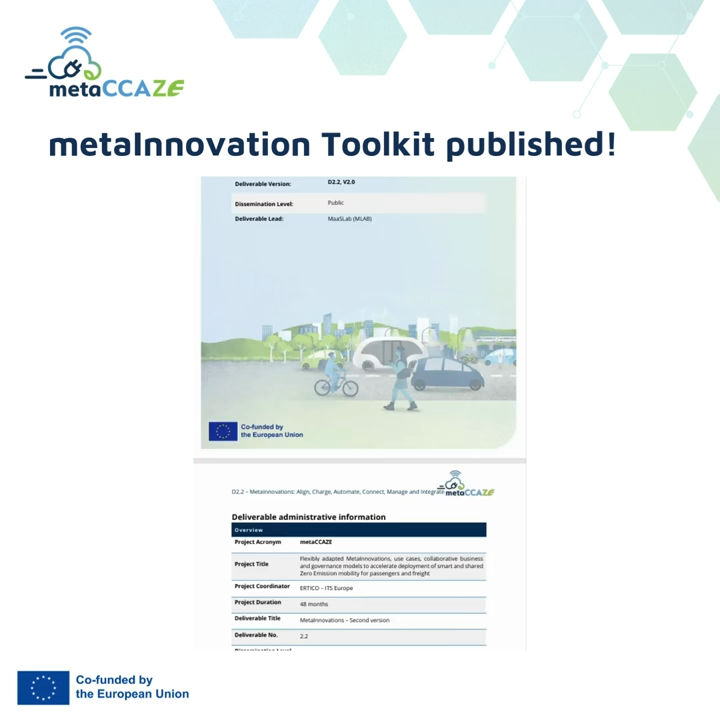
metaCCAZE reports the advances of its innovative mobility solutions
The project metaCCAZE has published a new Deliverable presenting the latest progress of its metaInnovations portfolio. The publication ' D2.2 – MetaInnovations: Align, Charge, Automate, Connect, Man...
Read more
NextETRUCK Final Event: Delivering evidence and insights for the transition to zero-emission freight
The final event of NextETRUCK showcased what four years of demonstration, testing and evaluation can deliver when innovation is assessed in real operating conditions rather than in controlled environm...
Read more