eBRT2030 paper explores pathways to electrify bus rapid transit systems in developing regions

A new paper titled “Electrifying Bus Rapid Transit Systems in Developing Regions” has just been published by eBRT2030. The publication examines how Bus Rapid Transit (BRT) systems, originally designed to offer affordable, high-capacity public transport, can be effectively electrified in lower-middle-income countries, where adoption has lagged behind wealthier regions. Currently, only 12% of cities with operational BRT systems (just 23 out of 191 worldwide) are located in lower-middle-income countries. Despite the benefits BRT offers in terms of cost, scalability, and urban accessibility, its rollout in developing contexts remains limited by infrastructure, funding, and policy constraints.
The paper explores the present state of BRT in these regions, analysing the operational and institutional barriers to wider deployment. It then delves into the electrification of BRT fleets, discussing the technologies involved, the challenges of integrating electric buses into existing systems, and the need for supportive infrastructure such as depot and on-route charging. Electrification is presented not just as a technological upgrade, but as a crucial step in aligning mass transit systems with national and international climate goals.
Two cities, Bogotá and Jakarta, are featured as case studies demonstrating what successful implementation can look like in the Global South. These examples illustrate how public policy, multilateral support, and innovative financing mechanisms can overcome common barriers and accelerate the transition to electric BRT.
By synthesising lessons from existing deployments and identifying pathways for scale-up, the paper offers a valuable contribution to the broader effort of demonstrating and replicating zero-emission BRT systems worldwide. It is particularly relevant for policymakers, transport authorities, urban planners, and development institutions seeking to decarbonise public transport in emerging economies.
The full paper can be accessed here.
Other Projects
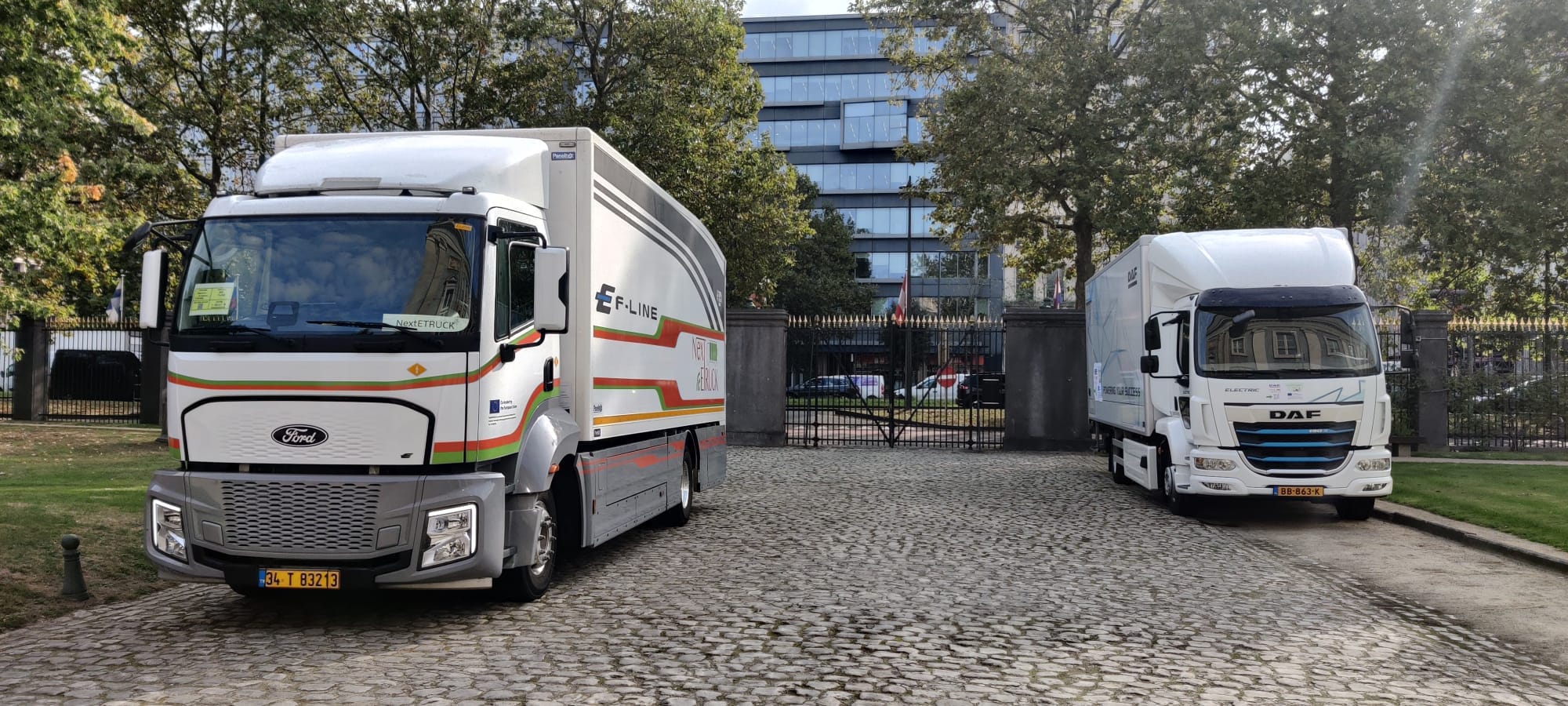
NextETRUCK Final Event: Delivering evidence and insights for the transition to zero-emission freight
The final event of NextETRUCK showcased what four years of demonstration, testing and evaluation can deliver when innovation is assessed in real operating conditions rather than in controlled environm...
Read more
InnoBMS New Publication on V2X Scenarios for Future-Proof Battery Management Systems
The 2ZERO Partnership is pleased to highlight a new open-access publication emerging from the Horizon Europe-funded InnoBMS project. The study, “Analysis of V2X Scenarios for Future-Proof Battery Ma...
Read more
New iBattMan publication advances battery health diagnostics for next-generation EVs
Battery health assessment is one of the key enablers for accelerating the adoption, sustainability, and long-term performance of battery electric vehicles (BEVs). Although current Battery Management S...
Read more