NEVERFLAT first two deliverables on V2G market analysis and user-centred requirements
The NEVERFLAT project has released its first two public deliverables, providing a comprehensive foundation for the development of inclusive and scalable bidirectional charging solutions across Europe. Together, the documents offer both a systemic assessment of current V2G market conditions and a detailed, user-centred framework to guide the project’s technical implementation.
The first deliverable presents a state-of-the-art analysis of the V2G landscape, identifying key barriers and gaps across pilot countries including Germany, Romania and Spain. It highlights how socioeconomic conditions, infrastructure availability and user awareness strongly influence the adoption of V2G solutions. While public-access, low-cost and low-power charging infrastructure remains limited, the analysis shows its strong potential to complement existing fast-charging networks and enable broader, more equitable participation in flexibility markets. The findings also underline the importance of clear incentives, simple service models and tailored business approaches adapted to local contexts, particularly in underserved or rural areas where community-based and shared mobility solutions may play a crucial role.
Building on these insights, the second deliverable establishes a robust requirements framework grounded in real-world user needs and operational conditions. Through the identification of stakeholders, the development of pilot-relevant use cases and the mapping of user journeys, the document ensures that NEVERFLAT’s solutions are aligned with practical deployment scenarios. It translates these needs into functional and non-functional requirements, clearly linked to system components and partner responsibilities, thereby supporting interoperability and reducing implementation complexity. This work also sets the basis for future system architecture and data management design, ensuring that technical development remains consistent with user expectations, pilot constraints and real-life conditions.
To sum up, these deliverables position NEVERFLAT as a key initiative in advancing accessible and inclusive V2G infrastructure, demonstrating how technical innovation can be combined with social considerations to support a fair energy transition. The project will build on this groundwork through real-world pilots, testing user behaviour, system performance and business models to refine scalable and sustainable solutions.
Other Projects
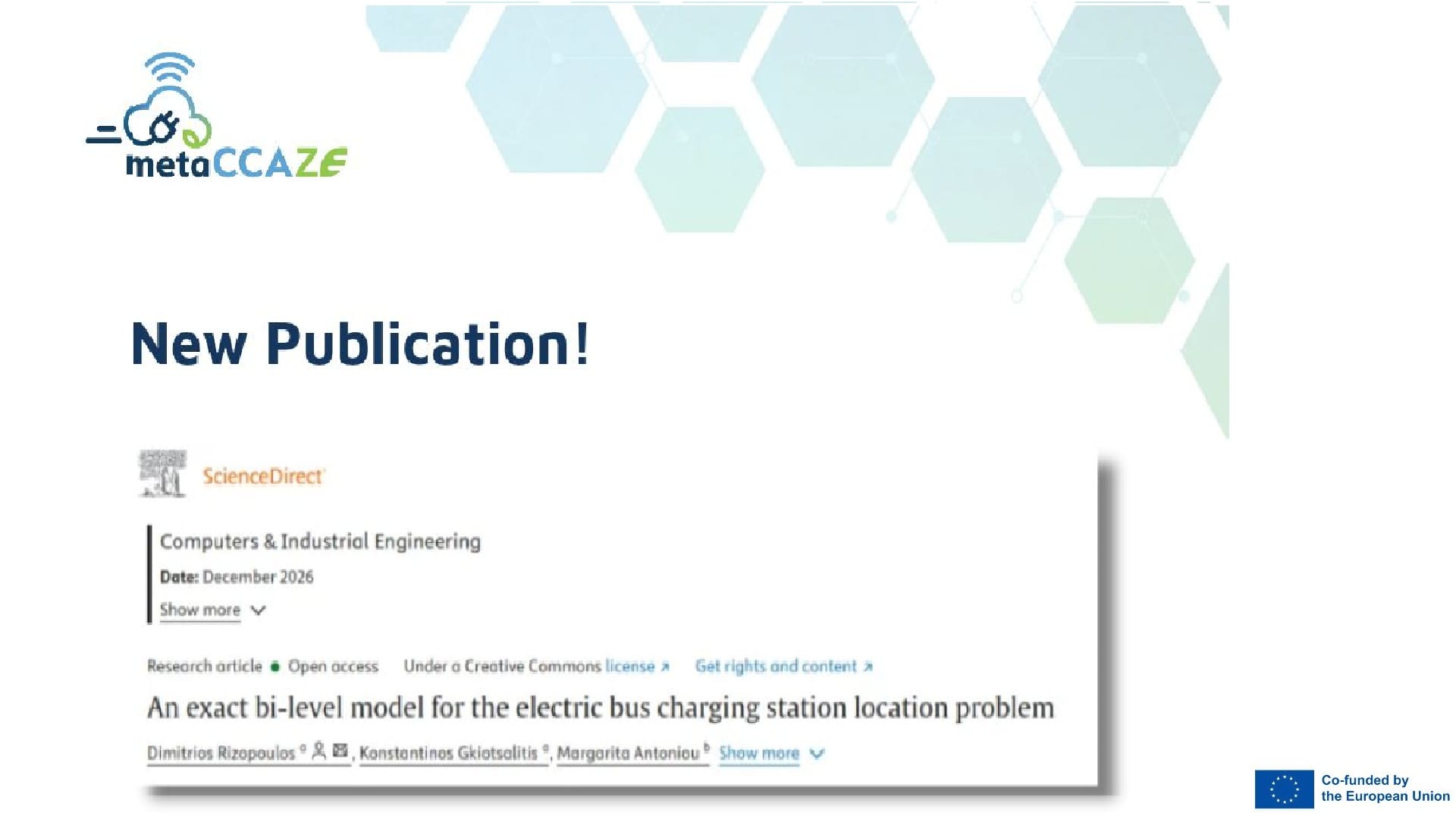
metaCCAZE new publication explores how coordinated charging planning can cut electric bus operating costs
As cities accelerate the transition to zero-emission public transport, one critical question remains: where should electric bus charging stations be located, and how can they be integrated efficiently...
Read more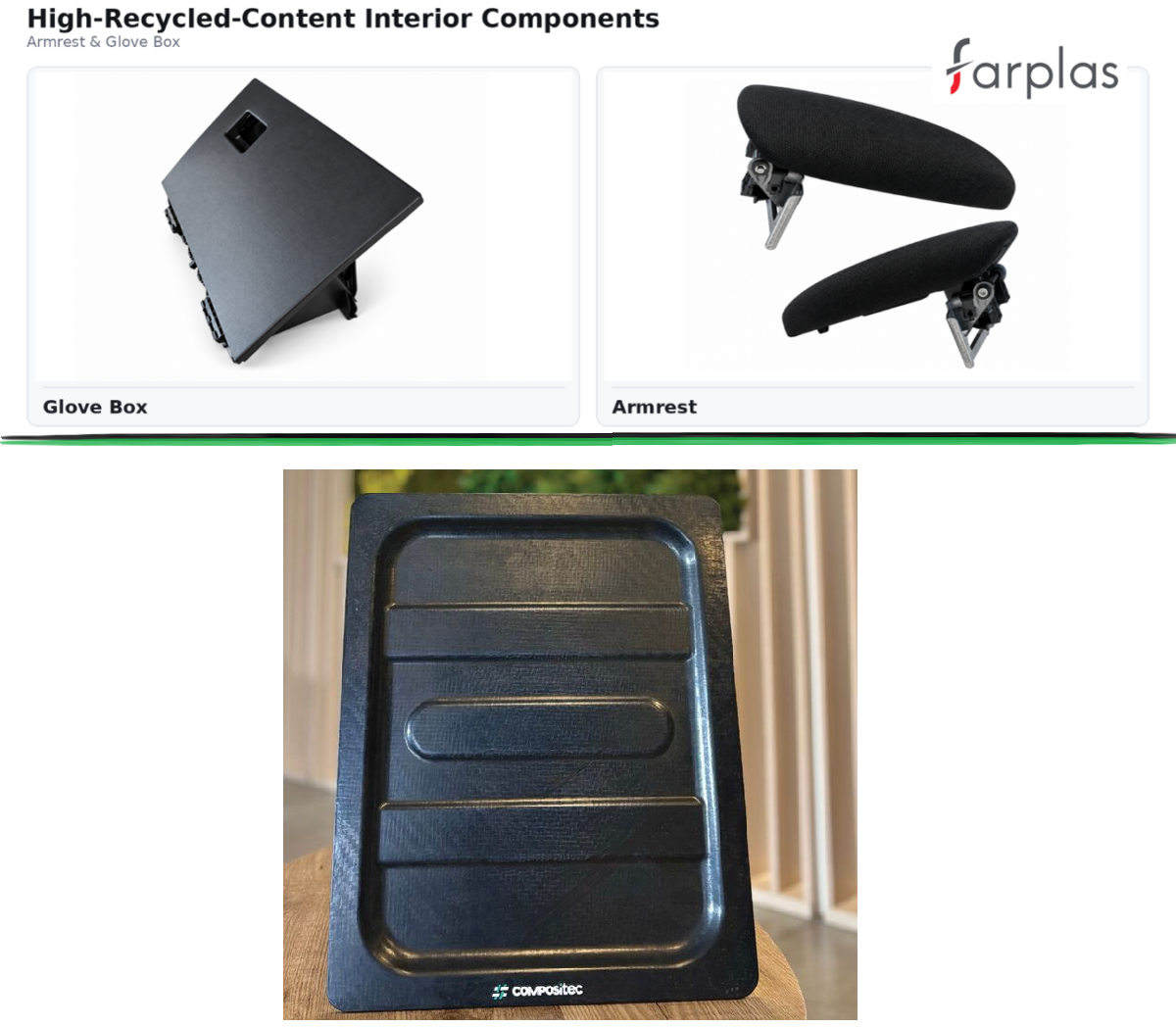
How ZEvRA is advancing circular composite materials for the automotive sector
The ZEvRA project is helping to accelerate the transition towards circular vehicle manufacturing by demonstrating how high-recycled-content composite materials can meet the demanding technical require...
Read more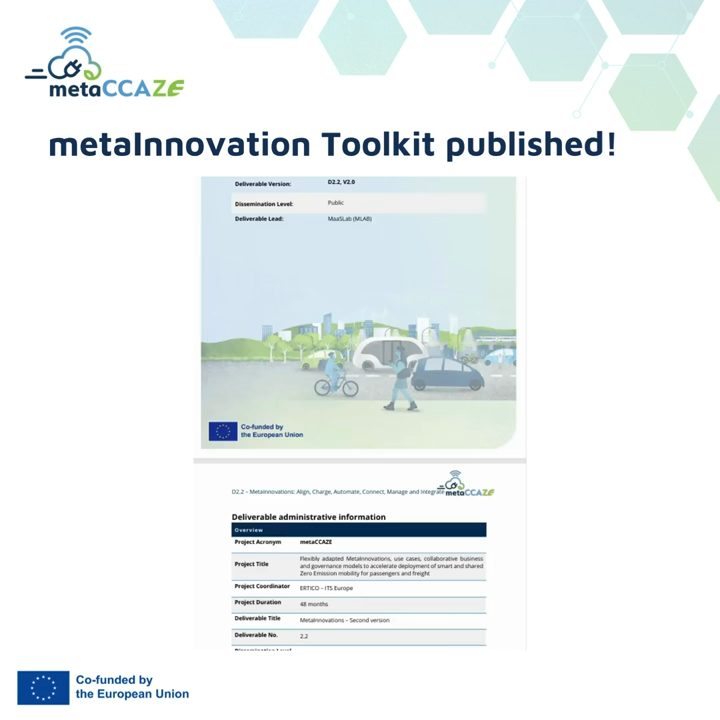
metaCCAZE reports the advances of its innovative mobility solutions
The project metaCCAZE has published a new Deliverable presenting the latest progress of its metaInnovations portfolio. The publication ' D2.2 – MetaInnovations: Align, Charge, Automate, Connect, Man...
Read more